Introduction
Ever stood at a depot watching buses queue while chargers sit idle and wondered, “There’s got to be a better way”? I sure have. A pantograph charger sits overhead and can slam dozens of kilowatts into a bus in minutes — the pantograph charger is designed for speed and high throughput — yet many fleets still miss out on real gains. Data from recent trials shows charge-session inefficiencies can shave 10–20% off effective range on busy routes (annoying — and costly). So why do some systems underperform, and what small fixes actually move the needle for fleet managers and technicians? Let’s dig in, step by step. This sets us up to explore the deeper problems that hide behind shiny hardware.
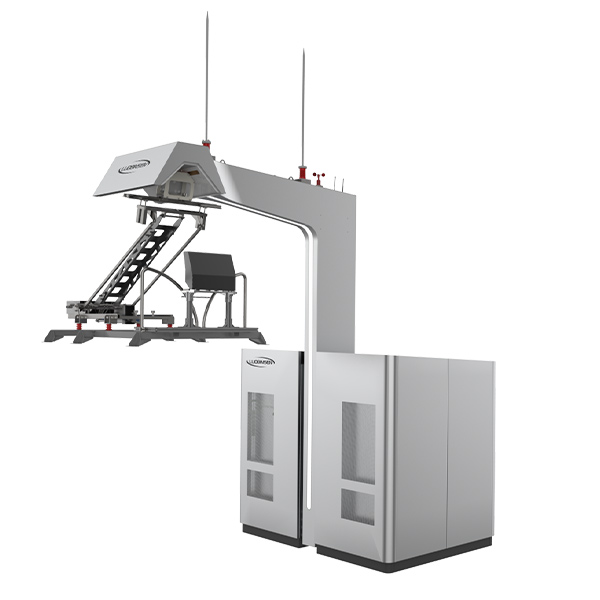
Where the Systems Trip Up: Traditional Flaws in Pantograph Bus Charging
pantograph bus charger installations look straightforward on paper, but I’ve seen the same failure modes in three different fleets. Alignment drift between the pantograph head and the vehicle contact strip causes poor connection and arcing. Old power converters struggle with transient loads and heat buildup. And the lack of real-time diagnostics means faults are caught by drivers — not the maintenance team. These are not niche issues; they’re common and they pile up into regular downtime and higher costs. I find that electricians and ops staff get frustrated fast. Look, it’s simpler than you think: small mechanical tolerances and basic control logic often explain most of the pain.
Technically, a few items keep cropping up. Misaligned pantograph arm geometry accelerates wear on current collectors. Voltage spikes from imperfect DC bus control lead to blown fuses or tripped breakers. And there’s often no edge computing node or local telemetry to flag patterns before they become outages. When I say “no data”, I mean it — we can’t fix what we can’t see. The result is reactive maintenance, not predictive upkeep. That costs hours and morale. — funny how that works, right?
What’s going wrong, exactly?
What Comes Next: New Principles and Metrics for Better Charging
Having seen the faults, I lean on two clear directions: smarter control and cleaner mechanics. Upgrading charge controllers to manage inrush and negotiate with the vehicle battery reduces stress on both the pantograph arm and the power converters. Adding simple edge computing nodes at the electric bus charging station level lets teams spot alignment drift, temperature rise, and charging inefficiencies in real time. These principles aren’t futuristic — they’re practical. They also let you compare vendors on measurable grounds rather than glossy specs. In practice, we’ve combined better telemetry with modest mechanical tweaks and cut unscheduled downtime by a noticeable margin.
For a future-facing setup, aim for modularity. Use swappable pantograph heads, standardised communications, and clear diagnostics so technicians can swap a unit in minutes. That reduces mean time to repair and keeps buses on their routes. There’s a human side too: when staff can trust the kit, stress falls and confidence rises. I’ve watched teams go from sceptical to quietly proud after a month of reliable service — small wins matter. — and they scale.
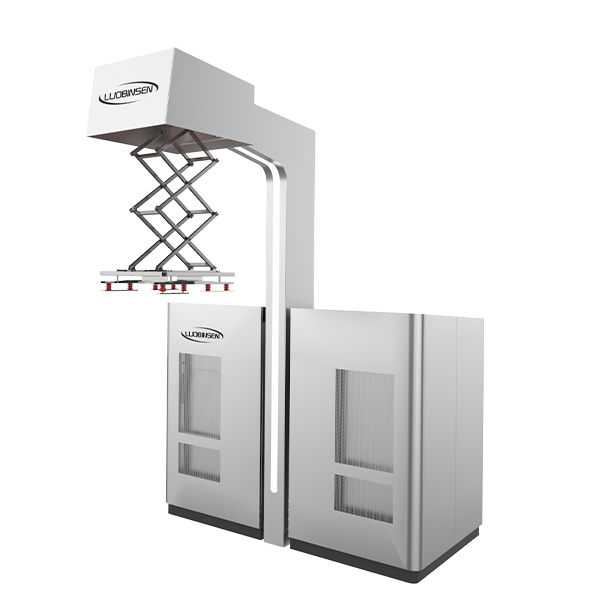
What to measure when you choose a system?
Closing: Three Key Metrics to Evaluate a Pantograph Solution
To finish practically, here are three concrete metrics I use when evaluating systems — they’re short, measurable, and actually useful. First: Connection Reliability Rate — the percent of charge attempts that start and complete without manual intervention. Targets: >99% for mature systems. Second: Mean Time to Restore (MTTR) — average minutes from fault to service; lower is better. Aim for under 30 minutes where possible. Third: Energy Transfer Efficiency — measured from grid input to battery accepted energy, which accounts for converter losses and cabling. Even a 2–3% gain here saves fuel bills across a fleet. Use those numbers to compare vendors and set realistic KPIs.
I’ll be honest: implementing these changes takes patience and a bit of trial and error. But the results are real — less down time, fewer angry drivers, and a calmer depot. If you want a partner that’s focused on practical fixes and measurable outcomes, check out Luobisnen. We’ve learned a lot on the road, and I’m happy to share what worked for us.