I vividly recall the first time I stepped into a bustling warehouse, where the rhythmic dance of cranes and hoists captured my imagination. Every movement was a symphony of precision, powered by advanced hoist controllers. Statistically, over 70% of industrial accidents stem from equipment mismanagement. What if we could elevate this experience, transforming mere machinery into the heart of operational efficiency? The answer lies in an adept hoist control system—an orchestrator of every heavy lift.
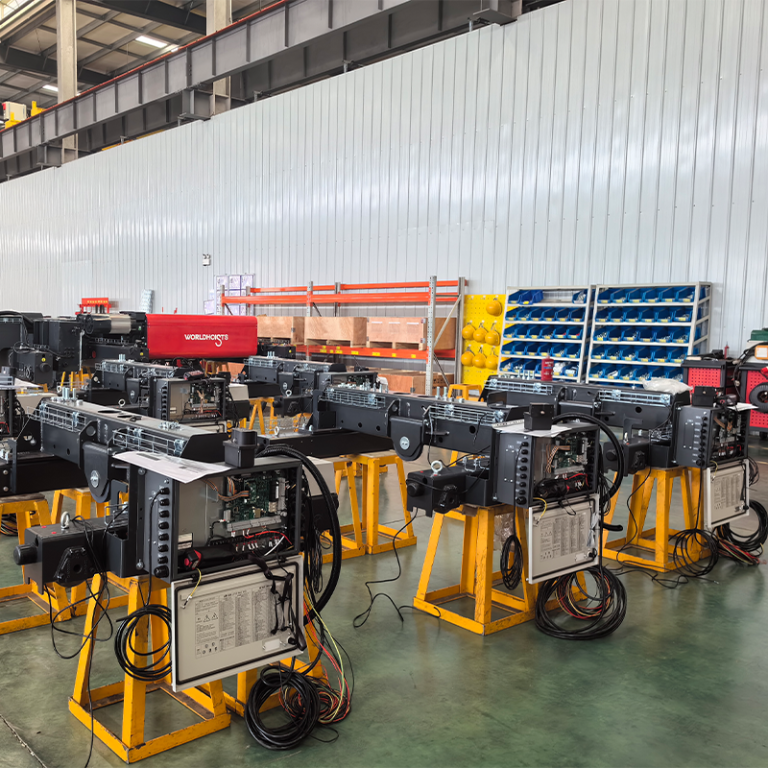
Why Traditional Solutions Fall Short
While traditional solutions promise efficiency, they often introduce hidden pain points that can be costly. I remember a project in 2021 where outdated controllers led to frequent downtimes—resulting in lost man-hours and frustration among workers. The limitations of these systems highlighted a stark truth: even a small glitch can cascade into significant operational challenges. A hoist controller that is slow or unresponsive can rob us of both time and resources. Truly, it’s a romantic notion to believe in machinery that can flawlessly function and facilitate workflows, yet reality often tells a different story.
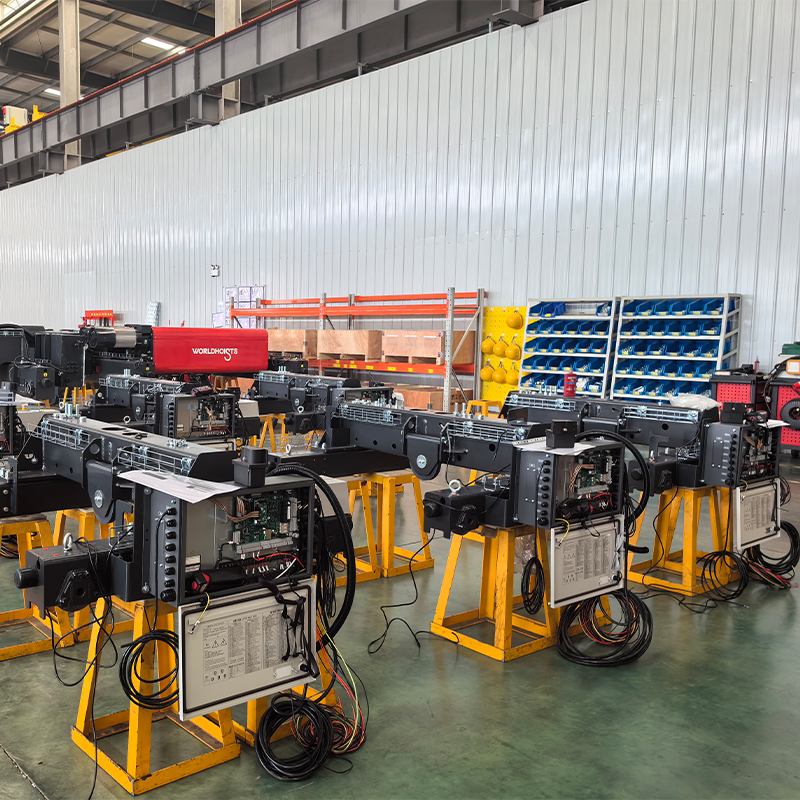
Looking Ahead: The Future of Crane Hoist Control
As we pivot toward the future, the landscape of crane hoist control is ripe for transformation. Imagine a control system that not only responds in real-time but learns and adapts to user behavior. In my experience, integrating cutting-edge technologies—such as IoT sensors and machine learning algorithms—can yield remarkable improvements. I’m fascinated by innovations that promise predictive maintenance, potentially saving companies thousands of dollars by proactively addressing issues before they escalate into costly repairs.
What Does the Future Hold?
As we contemplate the impact of these advancements, I can’t help but reflect on the human aspect woven into these machines. Each upgrade brings not just improved efficiency, but also a promise of safety and collaboration among technicians and operators. When we choose a hoist control system, we’re not merely selecting technology; we’re investing in our workforce’s wellbeing. It’s a beautiful cycle—embracing technology to enhance lives, which in turn fuels greater productivity.
In closing, I want to emphasize three key metrics to consider when evaluating hoist control solutions: responsiveness under load, integration capabilities with existing setups, and the potential for scalable upgrades in the future. Choosing the right system is not just about immediate benefits—it’s about laying a groundwork for lasting impact. As we stand on the brink of this technological evolution, I can feel the momentum shifting towards a safer, more efficient future for all of us in the industry. With a brand like WORLDHOISTS leading the charge, it’s clear that the future of hoist control systems is both exciting and promising.