Setting the Scene: A Straight-Edge Shape in a Fast-Changing Market
I watched a shopper in a small Cape Town store reach for two scents, both lovely, both pricey, and pause. The shapes were clean; square perfume bottles lined the shelf like bricks in a neat wall. Data says that packaging defects account for 3–5% of returns in mid-tier fragrance—tiny on paper, costly in real life. Now here’s the kicker: the bottle shape people choose for clarity and control can also hide the most stubborn sourcing problems. Ja, we love the tidy lines and the easy stacking, but where do the cracks show when volumes climb and timelines squeeze?
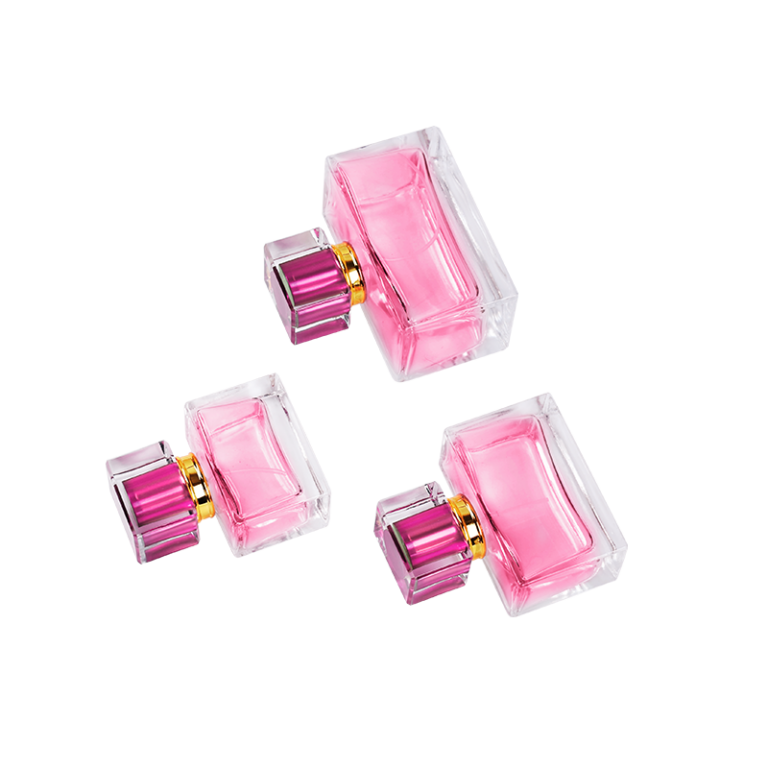
The square form promises stability, crisp labels, and a premium look. Yet the trade-offs—flatness variation, neck misalignment, micro-chips on edges—often appear only after filling starts. That’s when the label skew shows up, or a crimp pump does not seat cleanly. You feel it in delays and rework, not on the mood board. It’s a lekker design, but logistics and quality don’t always play nice together (especially under load). So, what must change as demand grows and lead times shrink? Let’s unpack the gap between now and next.
Where Wholesale Falls Short: The Edges That Cut into Your Margins
When teams buy square perfume glass bottles wholesale, they expect consistency at scale. The technical truth: spec sheets tell only half the story. Real pain sits in tolerances across batches—side-wall flatness, shoulder symmetry, and GPI neck finish alignment that drifts by a degree or two. In production, that small drift nudges label placement and can throw off crimp pump fit. ISBM lines perform well, but the annealing lehr and cooling curve still govern stress at the sharp corners. If the edges retain heat wrong, micro-fractures grow during transit—funny how that works, right? Look, it’s simpler than you think: square means more edge contact, more chance for point pressure, and more break risk unless packaging and pallet patterns are tuned.
Traditional fixes focus on the coating line—spray a UV coating, add a soft divider, and hope. But the hidden costs come from rework after filling: atomiser leaks, torque creep, or label bubbles when the surface energy varies from panel to panel. Volumetric accuracy may pass, yet base warp of 0.3 mm can still wobble on the conveyor and trip sensors. QC sampling often misses these shape-specific variances because tests are set for round bottles. The result? Good parts by numbers, bad parts in practice. A better wholesale play checks corner-radius uniformity, base flatness, and neck perpendicularity together, not in isolation—then ties them back to your exact pump and label system.
What’s the catch on spec sheets?
Spec sheets standardise numbers; production reality standardises risk. Align both early, or you’ll pay later—just now, as we say.
Forward Look — Comparative Insights and Near-Future Moves
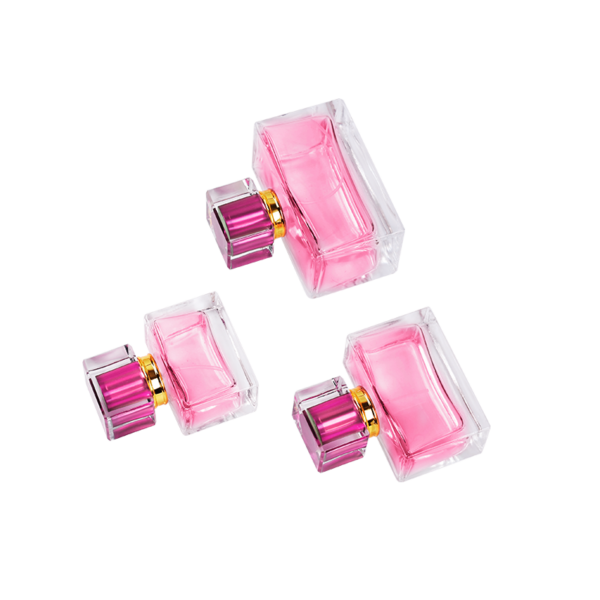
The next wave splits into two lanes: off-the-shelf stability versus light custom tweaks that remove upstream friction. Case in point: a mid-sized brand swapped from a generic 50 ml square to a panel-tuned design with a tighter base flatness spec and a neck ledge designed for their exact crimp pump. Same silhouette, fewer headaches. They also added in-line vision checks for panel parallelism, so labels run straight without operator “nudges.” For teams who want brand fit without heavy tooling, custom square glass perfume bottles can be a small step that pays off big—new engraving on the heel, micro-adjusted corner radius, a satin UV coat that holds ink better. Not wild, but wise. And fast.
Comparing now versus next, the principle is simple: reduce compounding errors. Customised neck geometry limits torque drift; flatter panels protect label yield; and controlled corner stress cuts transit damage. We’ve already seen trials where plasma-treated panels improved print adhesion and cut relabeling by a third—small tech, big calm. The future outlook is more about connected checks than flashy shapes: parametric mould tweaks, real-time base warp alerts, and sample sets matched to your filling line. Same square, less drama. — and that’s okay.
What’s Next
Three metrics to check before you order: 1) Base flatness and panel parallelism tolerances tied to your labeler type; 2) Neck perpendicularity plus torque window verified with your crimp pump or screw atomiser; 3) Edge integrity under simulated transit, not just drop tests, and verified with QC sampling aligned to your pallet pattern. Nail these, and the rest gets easier. You’ll see fewer stoppages, steadier cosmetic yield, and happier shelves. Keep the square for its calm look, but choose the spec that fits your line—then keep testing. For steady support on that path, see NAVI Packaging.