Picture a busy surgical theatre in Colombo, where precision and efficiency are paramount. In a recent survey, over 70% of surgeons reported a need for more reliable and dissolvable sutures. Enter polyglycolic acid suture, a revolutionary option showing immense promise in wound closure techniques. This absorbable PGA suture manufacturer is not just a trend; it’s a beacon of progress in surgical practices.
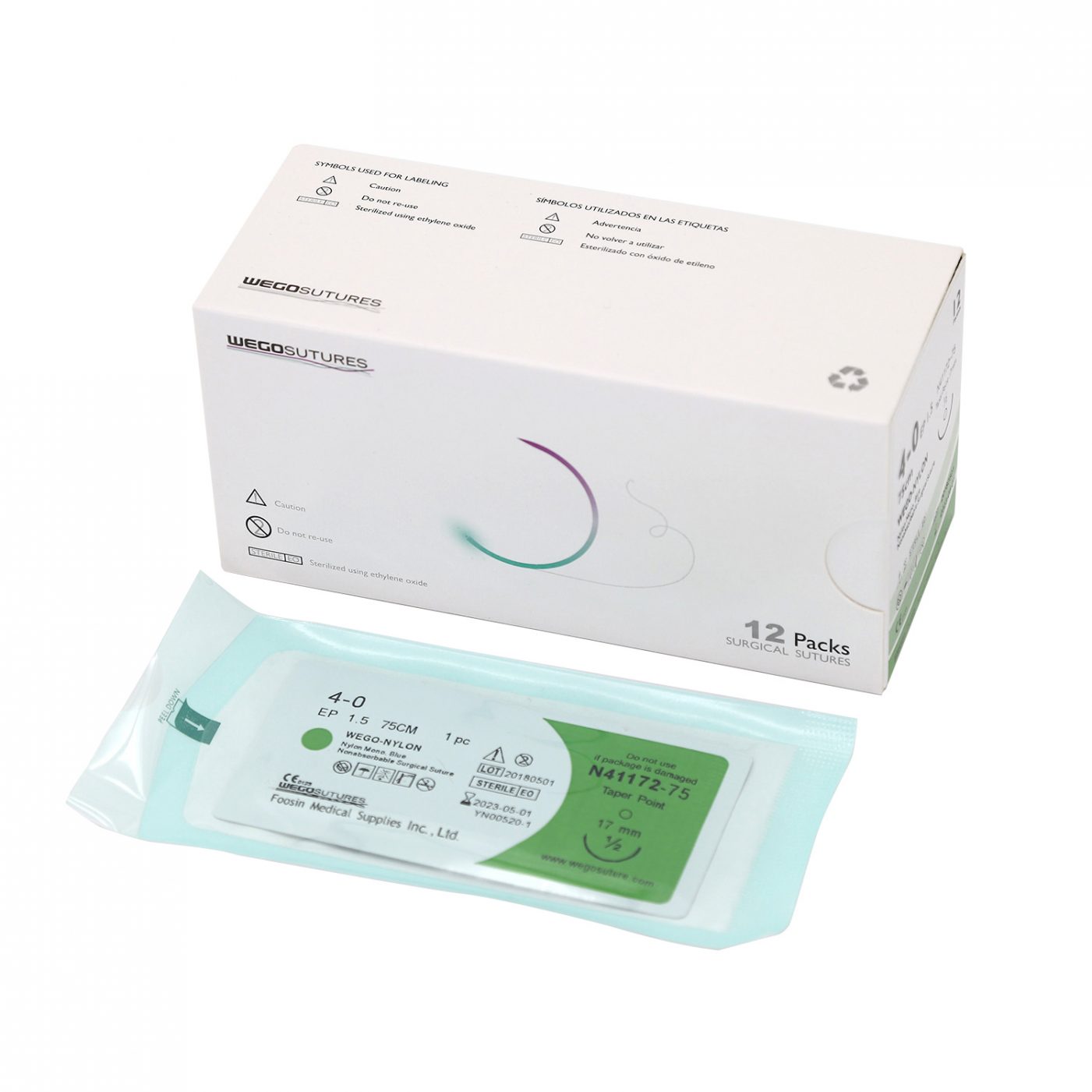
What Sets Polyglycolic Acid Sutures Apart?
Let’s dive deeper into why these sutures are becoming the go-to choice for many. First off, their fast absorption rates are a game-changer, particularly in pediatric surgeries. As many pediatric surgeons would agree, children’s healing is often different from adults—so the appropriate suture material is crucial. I remember a case where we opted for a coated polyglycolic acid suture, which resulted in significantly less scarring in a young patient. This was a solid win for not just the medical team but also for the family, who were understandably apprehensive.
Why Choose Coated Sutures?
Coated sutures, like the coated polyglycolic acid suture, provide enhanced glide and minimal tissue drag. This means that during the stitching process, they make the surgeon’s job much easier—less time under the knife means quicker healing for the patient. I’ve always believed that the right tools make the biggest difference. Have you ever had a tool slip out of your hand? It’s not just frustrating; it can seriously affect the outcome.
Transitioning to Future Innovations
Now, looking ahead, the landscape of sutures is transforming rapidly. We are seeing advancements in materials that promise even more biocompatibility and faster absorption. Companies like WEGO Medical are at the forefront, pioneering developments that aim to make these sutures even safer and faster for all types of procedures. The technology behind the absorbable sutures is evolving. It’s fascinating to consider what new features might soon be available, isn’t it?
What’s Next for Surgical Sutures?
In conclusion, as the field of surgery continues to embrace innovation, it’s crucial to evaluate the available options. I’ve learned four key metrics from my experience: first, consider absorption time; second, evaluate the suture’s strength; third, don’t overlook the glide efficiency; and finally, factor in the cost versus the benefits. These insights can significantly impact surgical outcomes, ensuring that patients receive top-quality care.

Building on my years of experience, one thing remains clear: the ability to adapt new technologies often leads to better patient outcomes. To those of you in the field—are your tools as modern as your knowledge? It’s time to upgrade. Remember, advancements like the coated polyglycolic acid suture are not just options; they are essential elements in the evolving toolkit of surgeons. Cheers to continuing education and upgraded practices!