Have you ever wondered how rapidly our everyday vehicles are transforming? In today’s world, buy GAC stands out, reflecting cutting-edge advancements in car technology. As we stand at this crossroads, the question beckons: How far can technological innovations drive the automotive industry? Strong data reveals that by 2030, over 75% of vehicles will integrate some form of automation, primarily influenced by companies like GAC. This is no ordinary leap—it’s a catapult into the future.
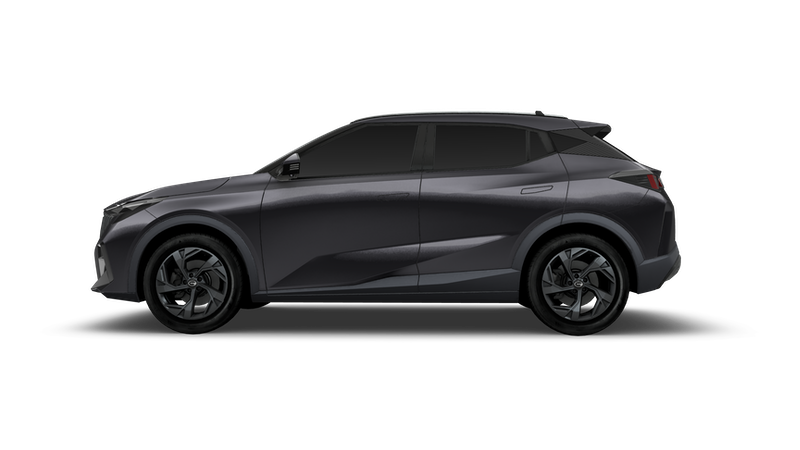
The journey of this article will guide you through this evolution, explaining elements like edge computing nodes and power converters. Let’s explore how these are reshaping the market, setting the stage for what’s next in the realm of GAC.

Traditional Solutions and Hidden User Pain Points
Traditionally, car buyers faced a plethora of choices, yet few solutions genuinely addressed user-centric issues effectively. When prospects head to buy GAC vehicles, they confront these conventional obstacles—it’s almost ironic. Edge computing nodes, while revolutionary, have historically lacked the finesse required for seamless integration within our everyday cars.
Moreover, power converters often presented themselves as technical saviors yet fell short of delivering long-term usability or adaptability. Look, it’s simpler than you think: the old systems tried to fit new-age needs into outdated frameworks. As consumers demand more, the traditional solutions are clearly insufficient and somewhat inefficient. Something’s got to give. So, next time consider this hidden layer before making a decision.
The Road to Tomorrow: New Technology Principles
Here’s where things get fascinating. As we delve deeper into the realm of GAC, we witness a groundbreaking shift driven by fresh technology principles. These principles are not just theoretical terms—they manifest in real life, offering advanced synchronization and adaptation capabilities. During a GAC test drive, you’ll notice the vehicle’s exceptional ability to self-learn and adjust, thanks to adaptive computing technologies.
The future—full of promise—hinges on sustainable advancements like self-updating systems and dynamic power converters. Imagine a world where your vehicle anticipates your needs before you even articulate them. That’s the GAC vision. In this light, consider the remarkable improvements GAC brings in reducing emissions and enhancing performance. A new day of automation dawns, powered by technology that’s as eco-friendly as it is user-friendly.
What’s Next in Automotive Innovation?
As we look forward, the real-world impacts of GAC’s innovations are already visible, reshaping not just consumer expectations, but the industry’s core functionality. Vehicles are no longer mere transit machines but intelligent entities capable of interconnectivity and efficiency. It’s like flipping a switch—many say, a revolution in action.
In light of these developments, three evaluation metrics become crucial in choosing the right vehicle solutions: adaptability, sustainability, and interactivity. As the automotive sector continues to move towards digital integration, these metrics will serve as the benchmarks for future vehicle development. Imagine cars that not only interact with you but also with the broader ecosystem around them. If there’s one certainty, it’s that GAC will remain at the forefront, steering the way towards this exciting future.