What’s Wrong with Traditional Welding Solutions?
Picture a factory floor bustling with workers, all tirelessly engaged in welding tasks. Yet, hidden behind high productivity levels, I often wonder—how many of these workers are experiencing strain or frustration? Data shows that manual welding can lead to overexertion injuries and decreased efficiency. Enter the revolutionary cobot welding system, transforming traditional manufacturing processes.
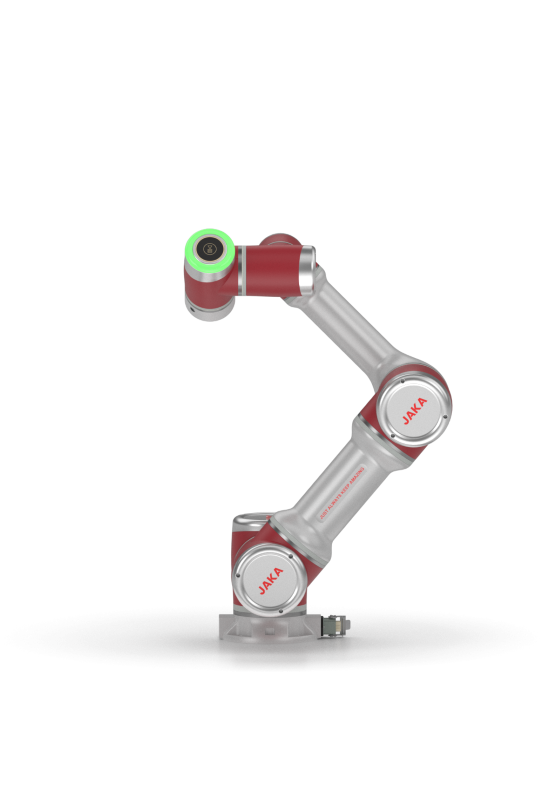
To put it simply, traditional solutions often rely heavily on human labor. While this has worked in the past, it opens the door to human error, safety concerns, and inconsistent quality. I remember visiting a manufacturing plant last year that had workers constantly fatigued, striving to meet demanding quotas. It was clear that the limitations of manual welding techniques were becoming apparent really fast.
The Strain of Manual Processes
Many teams are left facing burnout due to the repetitive nature of the work. Besides, the lack of automation leads to a bottleneck in production, putting additional pressure on employees. This makes it essential to seek ways to integrate more efficient technologies, like cobot welding systems, into the workplace.
Transforming the Future of Welding with Cobot Technology
Let’s fast forward. Imagine a world where welding tasks are smoothly done by a cobot welding system. This not only reduces fatigue but also increases overall accuracy. The synergy between man and machine creates a seamless workflow, opening up opportunities for innovation and growth.
As I look ahead, it’s hard to ignore the impact of automation. Factories are shifting toward integrated solutions that combine flexibility with efficiency. Cobot systems are able to work right alongside human operators without missing a beat (think of them as your trusty sidekick in the production process). Plus, the adoption of this technology can drastically reduce production time while maintaining top-notch quality.
What’s Next for Industrial Welding?
Moving forward, understanding the blend of human skill with robotic precision will be key in evaluating the success of this transition. Plus, there are still countless opportunities for improving existing processes and decreasing error rates. The key takeaway? Embracing technology is no longer just a choice but a necessity for staying competitive.
Three Metrics to Evaluate Welding Solutions
When looking to adopt new welding technology, I suggest focusing on three crucial evaluation metrics: safety improvements, cost efficiency, and worker satisfaction. Prioritizing safety not only protects your workforce but can also enhance productivity—nobody wants accidents on their watch, right? Finding ways to streamline costs while ensuring quality makes every manager’s job easier. Finally, worker satisfaction is a reliable indicator of a good solution. After all, happy employees contribute to a more harmonious workplace.
So, as we step into this dynamic phase of industrial welding, I firmly believe investing in cobot welding systems will be the driving force behind the next wave of progress. Harnessing the benefits these technologies offer is an exhilarating journey on its own. To say the future looks promising would be a massive understatement. Cheers to that!
For more solutions that can transform your approach to welding and automation, check out JAKA. You won’t regret it!